
Organizing the Binder: How to Walk Into Every IEP Meeting Prepared
IEP Tips
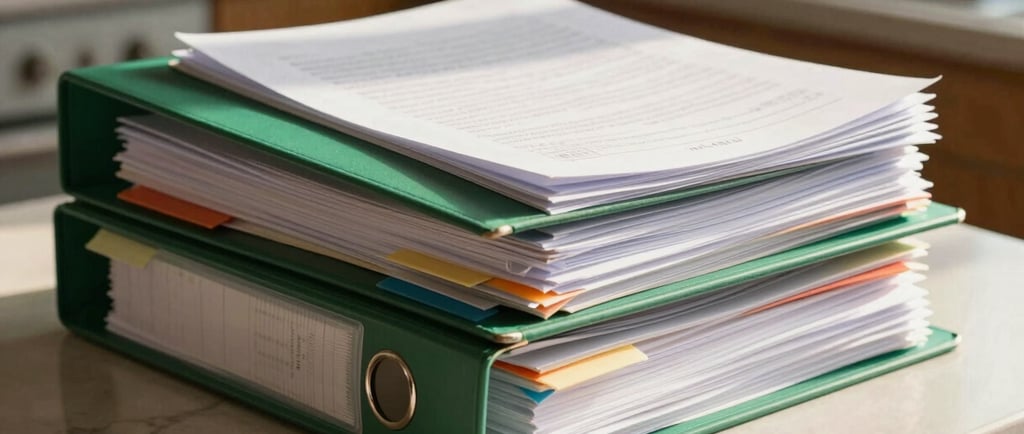

If you've ever sat down the night before an IEP meeting and felt that familiar wave of panic — papers everywhere, emails you can't find, notes from three meetings ago buried somewhere — this post is for you.
Getting organized isn't about being perfect. It's about being ready. And when you walk into that room with your documentation in order, everything changes. You speak differently. You sit differently. The school team responds differently.
Here's how to build the binder that changes the dynamic.
Section 1: What Goes In the Binder
Your IEP binder is your paper trail and your protection. At minimum it should contain:
Your child's current and previous IEPs
All evaluation reports — psychological, speech, occupational therapy, and any others
Progress reports and report cards
All school correspondence — emails, letters, meeting notes
Your own notes from every meeting you've attended
A running list of your child's current goals and whether they're being met
Any medical documentation relevant to school accommodations
If it relates to your child's education, it belongs in the binder. When in doubt, include it.
Section 2: How to Organize It
Tabs are your best friend. Divide your binder into sections:
Current IEP
Previous IEPs
Evaluations
Progress Reports
Correspondence
Meeting Notes
Medical Records
Color coding helps too — especially when you're sitting in a meeting and need to find something fast. You don't want to be shuffling papers while someone is talking.
Section 3: Before Every Meeting
At least three days before any IEP meeting, sit down with your binder and review:
What goals were set at the last meeting
Whether progress reports show those goals are being met
Any concerns you want to raise
Questions you need answered before you leave the room
Write your questions down. Bring them with you. You have every right to get answers before you sign anything.
You are your child's most important advocate. The school team has professionals, systems, and experience on their side. Your binder is how you show up equally prepared. Build it once, maintain it consistently, and walk into every meeting knowing you are ready.